
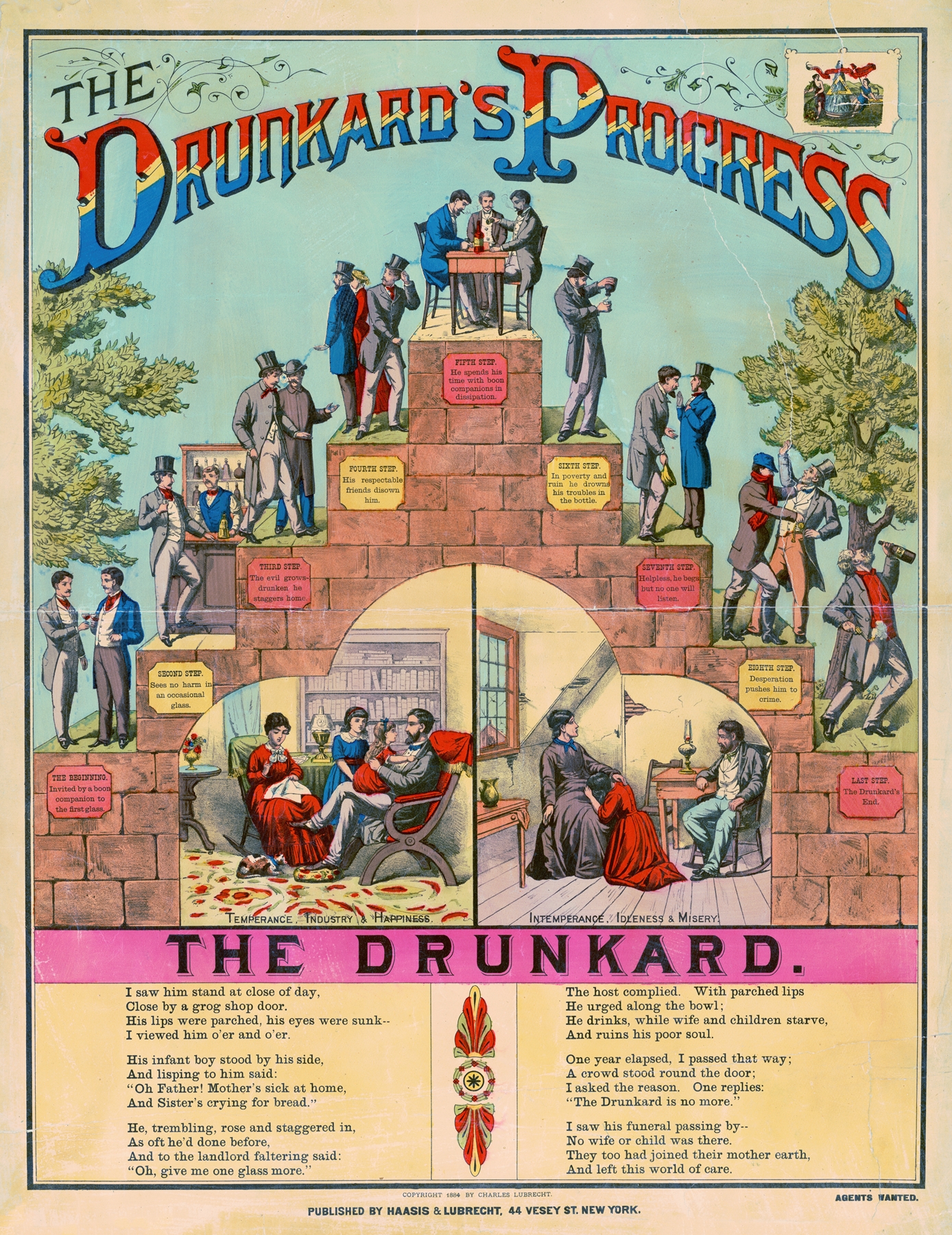
In the first half of the program we will take a brief look at the correspondence of C.G. Jung and Bill Wilson, the founder of Alcoholics Anonymous (AA), as well as why Jung was considered a “silent co-founder” of AA. We will explore the archetypal elements of addiction, complexes associated with addiction, and why the twelve steps have been so successful helping those who struggle with substance abuse. We will discuss how the twelve steps increase healthy functioning of the ego, revitalize connection to the spirit, and create a path toward individuation.
The second half will focus on how the recovery process does not on its own necessarily lead to individuation. We will explore how analytical psychology can be a bridge to those seeking emotional sobriety after becoming abstinent from alcohol and drugs, and how this relates to shadow integration as well as the relationship to the anima and animus.
Jeffrey A. Browning, Licensed Alcohol and Drug Abuse Counselor, Level II, has worked as a primary therapist in the field of addiction for nearly twenty-five years, in alcohol and drug treatment centers, in a men’s prison, and in his own private practice in Nashville, Tennessee. He currently trains at the Research and Training Centre in Depth Psychology according to C. G. Jung and Marie-Louise von Franz, in Zurich.
Learning Objectives:
- Explain the psychology of addiction from a Jungian lens.
- Learn the differences between recovery and individuation and the importance of these distinctions.
- Learn how both Bill Wilson and C.G. Jung were pioneers in the progress made in addiction treatment in the 20th century.