
This program will be recorded and made available publicly on our YouTube channel.
You do not need to have registered to view the video.
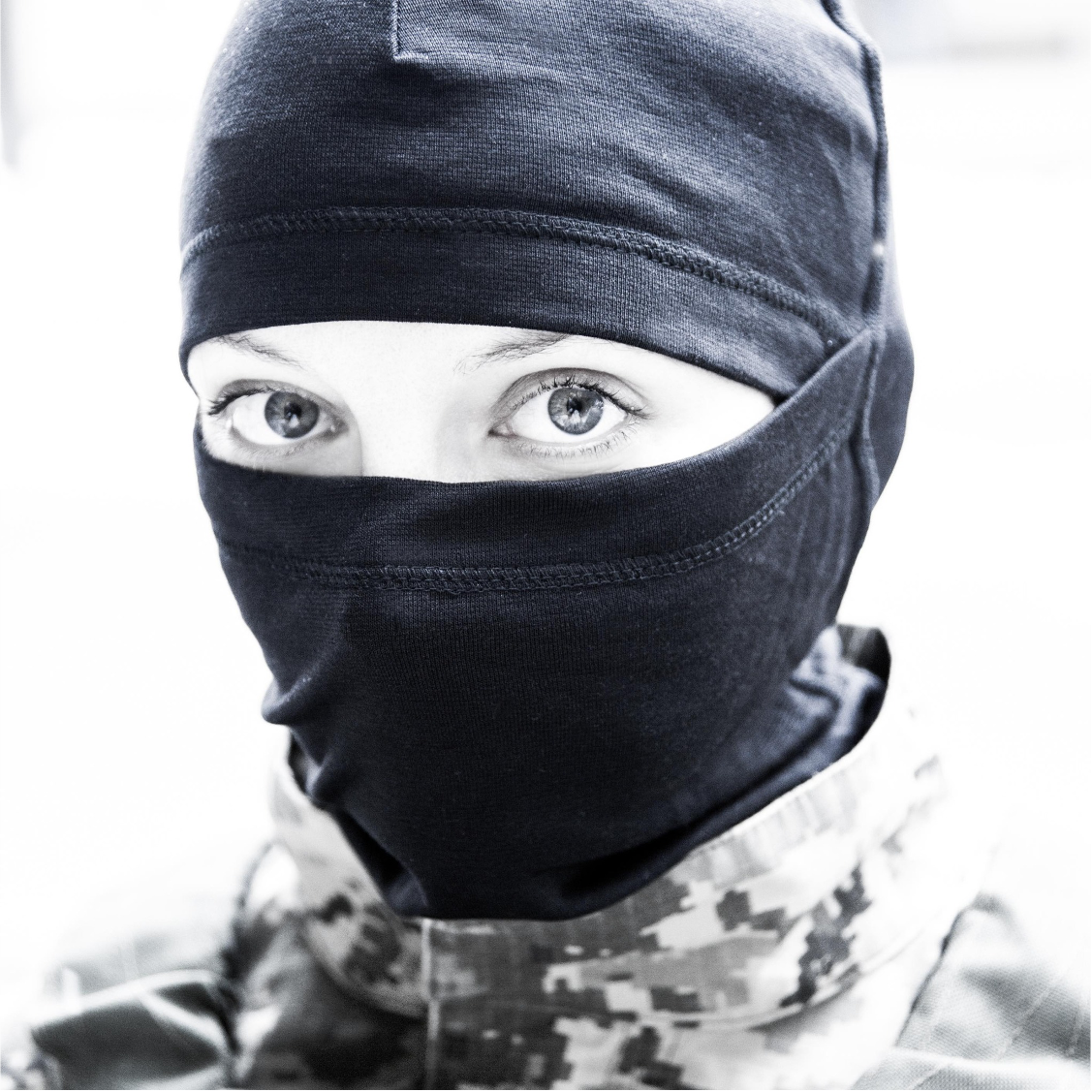
War is a tremendous and tragic experience. It is naturally easy to associate it with the world of men. But the trends in today’s military show that more and more women are joining its ranks, especially when it becomes necessary to defend their homeland and their children.
Jung wrote that the unconscious, as a set of archetypes, is the sediment of all that has been experienced by mankind down to its darkest beginnings. He viewed it as a living system of reactions and dispositions, which invisibly, and therefore more effectively, determines our individual lives.
War, as an archetypal event, activates many archetypes within us, which are filled with experiences of previous generations. The main one is the Warrior archetype and it has two aspects or components – the Invader and the Defender. The Defender aspect seems to be more natural for and actualized in women. We will examine the archetypes of the Cossack woman (Amazonas), the Molfarka (female mage), and Sophia (wisdom) as they appear among contemporary women warriors.
Svitlana Shevchenko, MA, holds a master’s degree in psychology and is a Jungian analyst, a supervisor, a medical psychologist, and a member of the International Association for Analytical Psychology (IAAP) and the Ukrainian Association for Analytical Psychology (UAAP). She has been working with adults, children, support groups and dream groups for over 20 years. She is especially interested in dream interpretation, the alchemy of transformation, myths, and shadow work, and she conducts training seminars on these and other important Jungian topics. Currently, as President of the Ukrainian Association for Analytical Psychology, she is especially focused on the creation of a new official Jungian training for Ukrainians.
Learning objectives:
- Explain why war is an archetypal event.
- Identify and discuss several of the archetypes activated by war that pertain especially to women.
- Explain how the collective unconscious of a nation can influence the contemporary generation of women warriors.